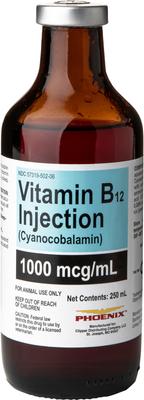
When B12 levels become problematic: High-dose supplementation (particularly doses exceeding 1,000 micrograms daily) Frequent B12 injections without medical supervision Underlying conditions affecting B12 metabolism Concurrent use of multiple B12-containing supplements The NHS does not set an upper safe limit for vitamin B12 because harmful effects from excessive intake have not been definitively established
Another study in the Journal of the American Medical Association notes that among those with diabetic nephropathy (loss of kidney function due to diabetes), combining vitamin B6 (25 mg) and folic acid (2.5 mg) (B-complex vitamin) with 1,000 mcg of oral B12 per day for six years increases the risk of cardiovascular events, including heart attack and stroke
The Science Behind B12 Injections Understanding how B12 works in your body explains why injectable forms can be so effective for many people
In combination with other vitamins, it helps in strengthening the immune system, improves metabolism of the body, and is important for the nervous system
Acknowledgements Editorial Staff Elizabeth Jean Betsch, ELS Amy Zierler, BA Medical Information Services Corinne Holubowich, BEd, MLIS Kellee Kaulback, BA(H), MISt Clinical Expert Advisory Panel: Appropriate Utilization of Vitamin B12 Testing for Neurocognitive-Based Indications
MIC nutrients - Methionine, Inositol, and Choline - provide targeted support for these processes, helping your liver work more efficiently and promoting whole-body wellness