Use as needed or as directed by your healthcare practitioner
Leave the mask until it becomes transparent, carefully remove it
DISSECTION O - ESOC25-604 FIBROMUSCULAR DYSPLASIA AND SPONTANEOUS CERVICAL ARTERY DISSECTION: A SECONDARY ANALYSIS OF THE STOP-CAD STUDY Ahmad Nehme 1 , Liqi Shu 2 , Marion Boulanger 1 , Daniel Mandel 2 , Christopher Leon Guerrero 3 , Esther Kim 3 , Nils Henninger 4 , Bastien Rioux 5 , Aaron Rothstein 6 , Michele Romoli 7 , Setareh Salehi Omran 8 , Marialuisa Zedde 9 , Richa Sharma 10 , Shadi Yaghi 2 , Emmanuel Touz 1 1 Department of Neurology, CHU de Caen-Normandie, Caen, France, 2 Department of Neurology, The Warren Alpert Medical School of Brown University, Brown Medical School, Providence, United States, 3 Sanger Heart and Vascular Institute, Atrium Health, Charlotte, United States, 4 Department of Neurology, University of Massachusetts Chan Medical School, Worcester, United States, 5 Department of Neurosciences, Universit de Montral, Montreal, Canada, 6 Department of Neurology, University of Pennsylvania, Philadelphia, United States, 7 Department of Neurosciences, Bufalini Hospital, Cesena, Italy, 8 Department of Neurology, University of Colorado, Aurora, United States, 9 Neurology Unit, Stroke Unit, Azienda Unit Sanitaria Locale-IRCCS di Reggio Emilia, Reggio Emilia, Italy, 10 Department of Neurology, Yale New Haven Hospital, New Haven, United States Background and Aims: Fibromuscular dysplasia (FMD) is found in 6-14% of patients with spontaneous cervical artery dissection (sCeAD)
With a half-life of 30 minutes to 2 hours, this peptide provides sustained GHRH receptor activation sufficient to enhance growth hormone secretion patterns over multiple pulse cycles while avoiding the prolonged receptor occupancy that could lead to desensitization or tachyphylaxis
Frequently Asked Questions What are the most commonly observed FOXO4-DRI side effects in research settings
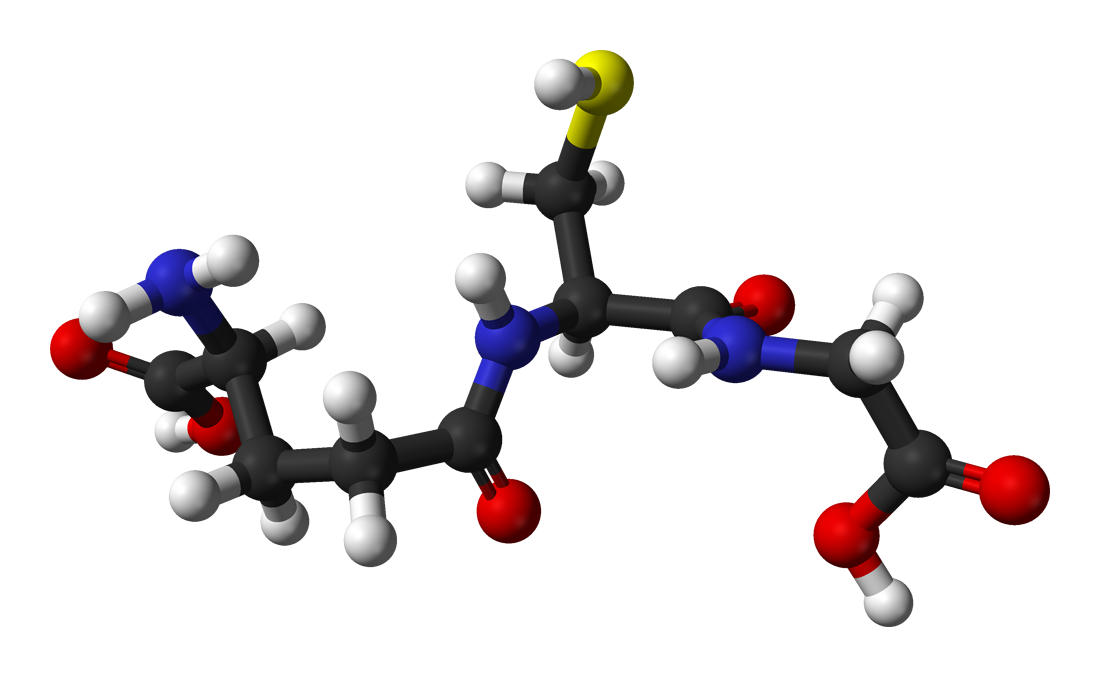
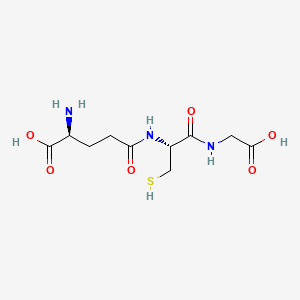
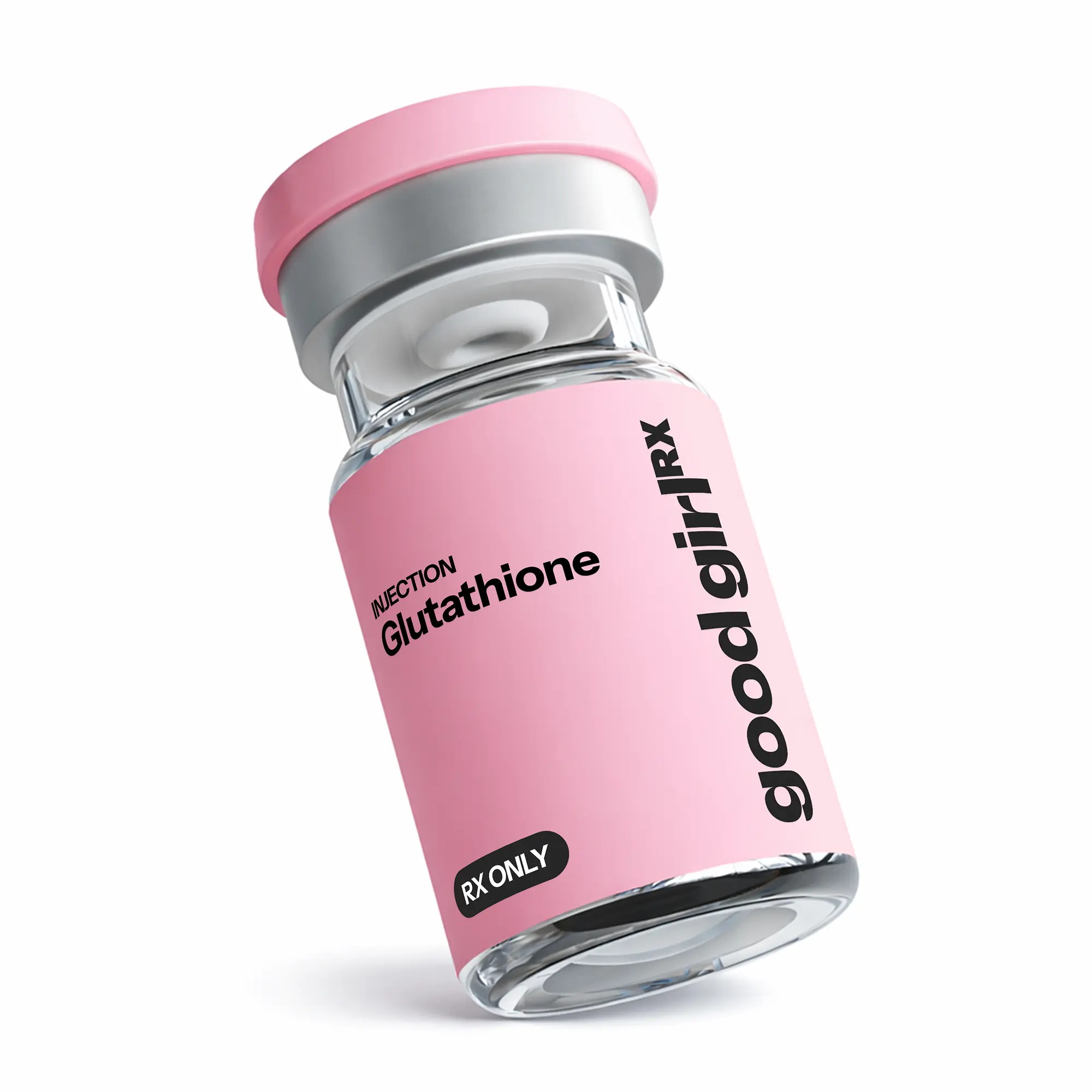
Quality starts with the source of glutathione itself