Researchers who have struggled with tirzepatide losing effectiveness over time might consider whether switching to CagriSema when it becomes available could reignite weight loss through the different amylin-based mechanism
Limiting alcohol during wound healing protocols supports better outcomes regardless of peptide use
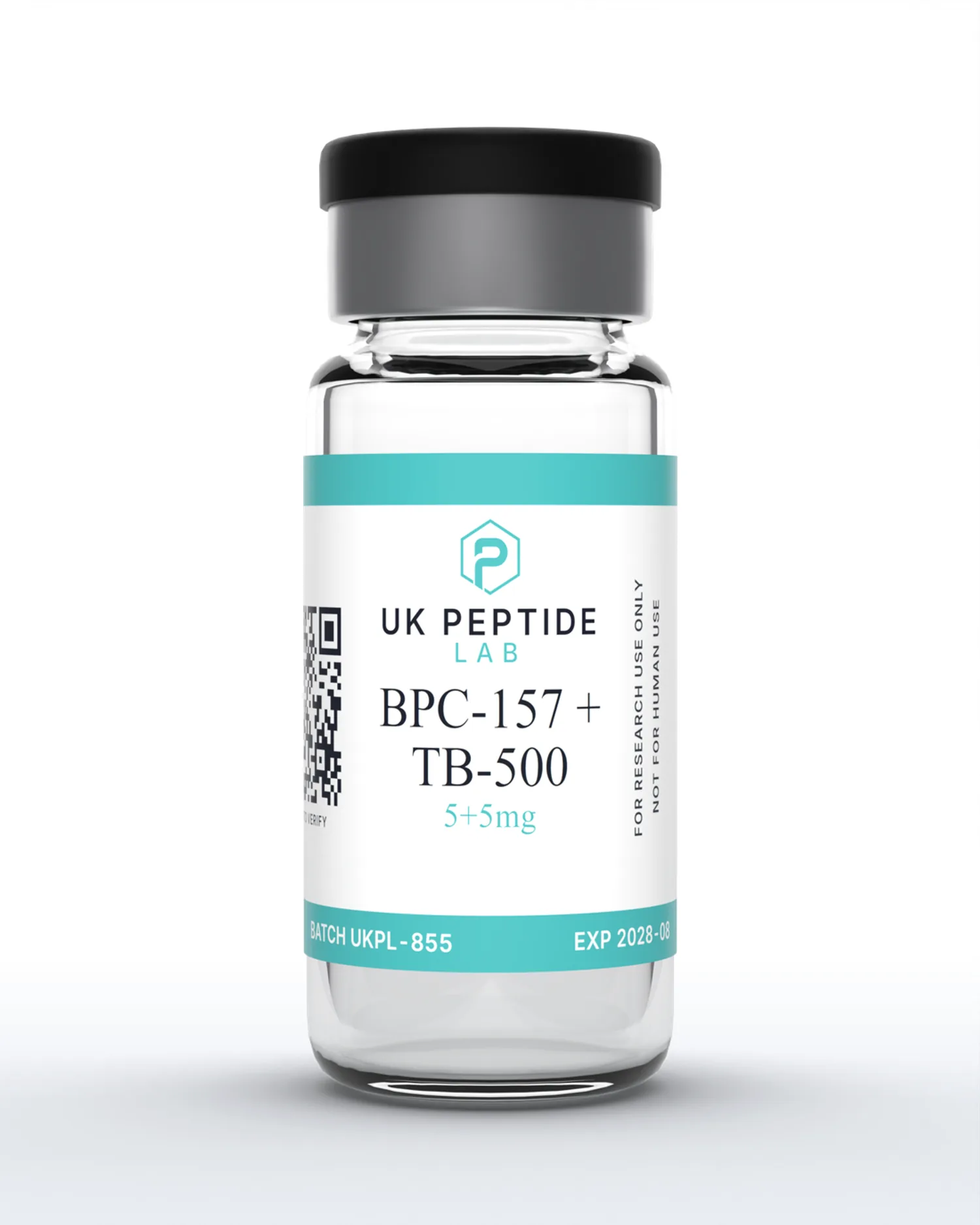
We evaluate at the end of each cycle before deciding whether to repeat, adjust the dose, add a stack partner like TB-500, or transition to a maintenance approach
Transcription factor Egr-1 activates collagen expression in immortalized fibroblasts or fibrosarcoma cells
GHK-Cu (copper peptides) GHK-Cu special considerations: Contains copper = oxidation concern More sensitive than most peptides Color changes indicate degradation Shelf life: Lyophilized frozen: 1-2 years (shorter than most) Lyophilized refrigerated: 6-12 months Reconstituted: 21-28 days (some say 21 days safer) Color monitoring: Fresh GHK-Cu: Light blue or clear with blue tint Acceptable: Maintained blue color Degrading: Deepening blue or turning brown/green Bad: Brown, green, or black = severely degraded Storage best practices: Freeze powder (very important for GHK-Cu) Protect from light religiously (amber vials ideal) Reconstitute smaller amounts (2-3 weeks vs 4 weeks) Monitor color weekly Discard if color darkens significantly See our GHK-Cu 50mg copper peptide dosage , copper peptides GHK-Cu guide , and should copper peptides be refrigerated
For research and laboratory use only